Computer Music Practice – Presenting

Finishing a composition means the beginning of other work. Posting the audio files on the web is the first step in sharing my music, but it is not the only way to showcase the piece’s best aspects. Music for human performers is meant to be experienced in live concerts. Some generative music’s value is in creating and hearing multiple versions. As an electronic music researcher and teacher, presenting the algorithms, codes, and other relevant findings may be as important as sharing the music.

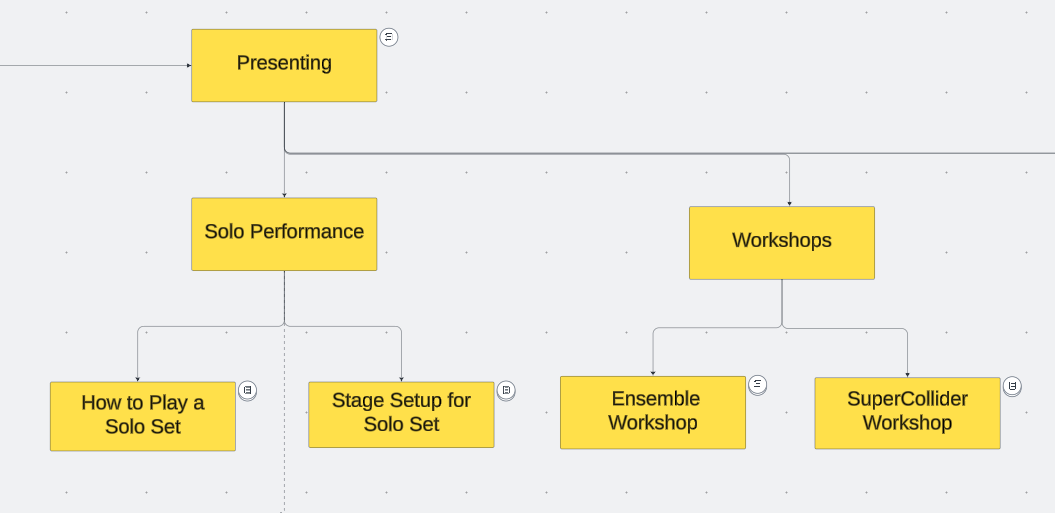
I do the above to present my work to reach a wider audience. In the Presenting section of Computer Music Practice, I provide more concrete examples of my efforts to do so. Electroacoustic performers interested in promoting their works, as well as curators interested in adding electronic music to their events, may benefit from reading the articles in this section.

  • Solo Performance: Solo performances account for the largest portion of my stage appearances. Performing solo electronic music needs specific preparations. The practice of preparing and presenting electroacoustic solo works changes over time, and I share a record of these changes spanning more than a decade. 
  • Electronic Ensemble: Practice and presentation methods for electronic ensembles vary widely, and there are few records about them. Proper documentation of the creative process helps the evaluation of the genre.  I share my approach to running an electronic ensemble so that those interested can use it as a reference.
  • Tools: Some of my pieces are written as a demo of computer music techniques. Those compositions feature research that could be applied to other people’s works. The articles in this section introduce tools and technologies that can be used and modified. Please credit the creator if sounds and codes made with the tools provided here are applied to a piece.  
  • Workshops: I enjoy providing opportunities to learn about tips and techniques of electronic music production and performance. I share teaching materials for in-person or virtual workshops on electronic ensemble and SuperCollider.

Live electroacoustic music, the genre of music in which I excel, is not well-known. It has relatively little historical context and resources for evaluation, or I am asking people I don’t know to attend a concert where they may not see the relationship between the performer’s actions and the sound. One way to mitigate this inherent challenge is to provide as many opportunities as possible to listen, create, and play electronic music. It requires more effort, such as running workshops and sharing tools. The entries in the Presenting section are my version of such efforts. 


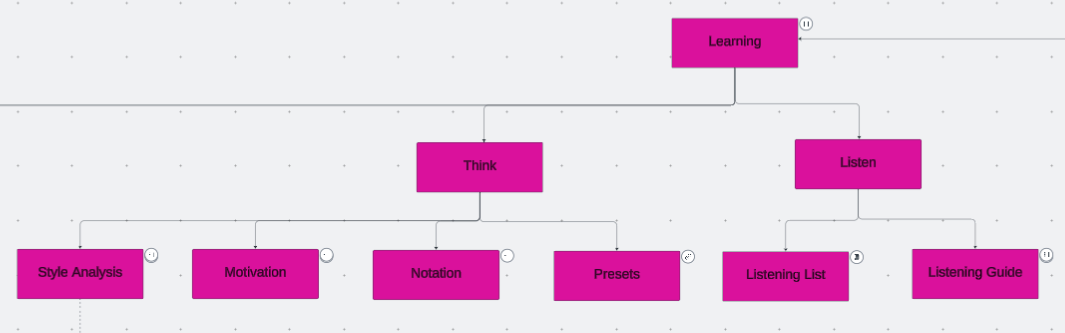
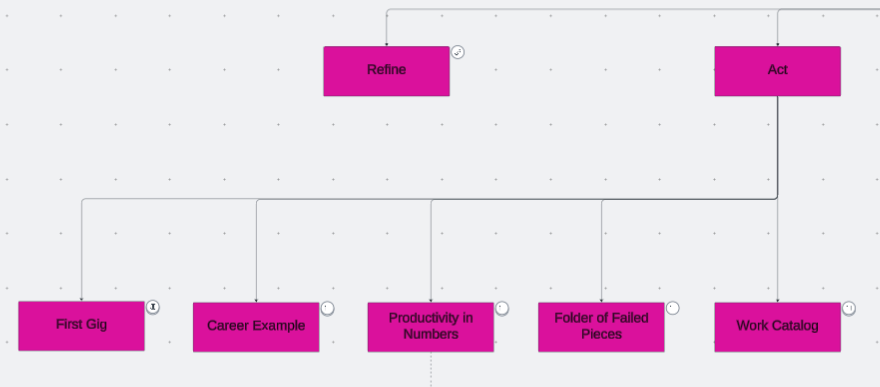
Computer Music Practice (CMP) is an interactive and personal example of computer musicianship. Click each entry in the chart to read and listen to Joo Won Park’s computer music research.
Computer Music Practice – Composing

Composing, an act of making original music, is my main artistic skill. I make concrete and shareable products that represent personal thoughts and experiences. The product is sound, and the material I use is electronics. Since 2002, I have composed and shared over 130 compositions online and offline.  Electronic musicians can have various titles, such as a researcher, educator, developer, performer, etc.  The specialty I’ve focused on is that of a computer-based music composer. 

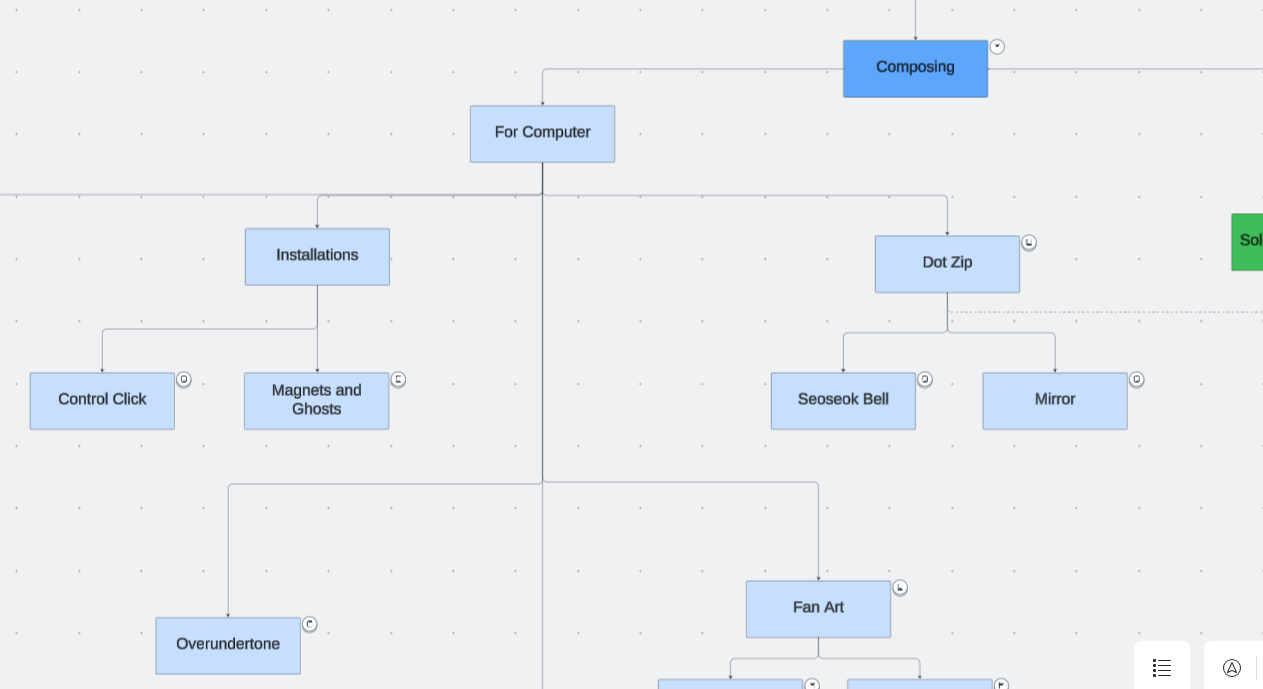
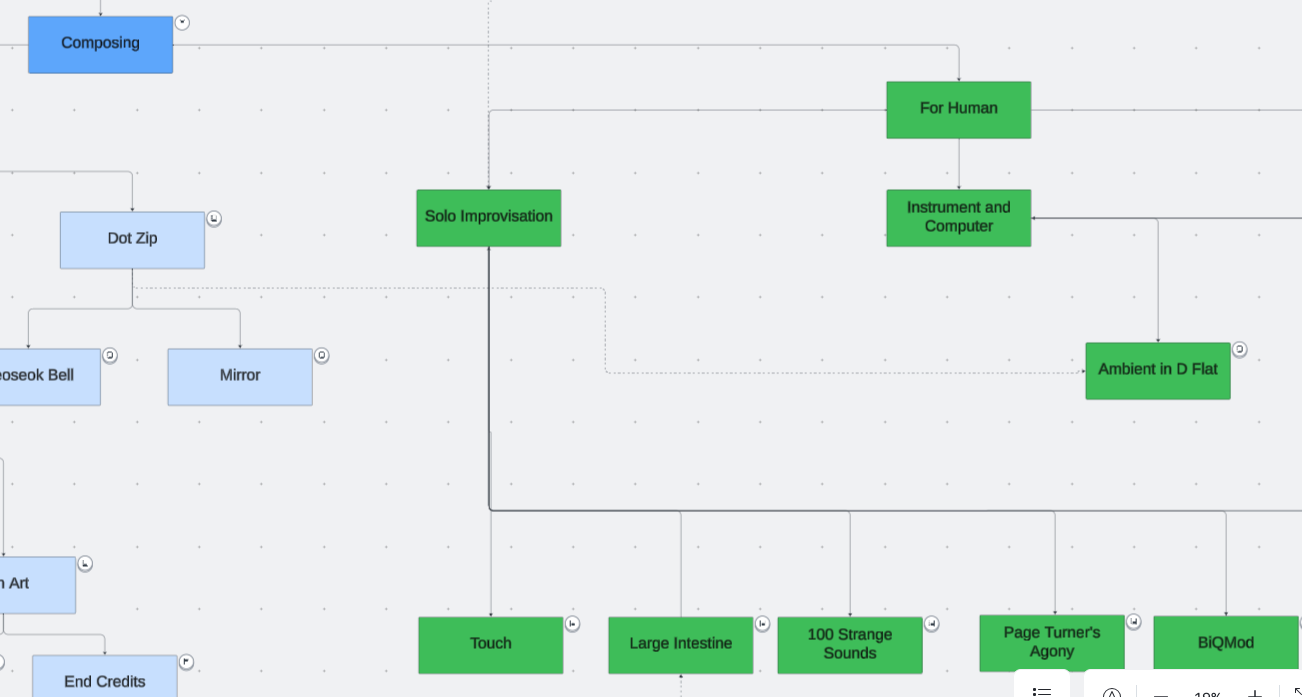
In CMP, I organized my compositions from 2014 to 2026 in two main categories and six subsections. The main categories are defined by the presence or absence of human performers. The first category, For Computers, has fixed media and algorithmically generated music. They do not require human performers to make sound. They are either listened to as is (without images) or are used in multidisciplinary shows. The pieces in this category are further grouped by albums (Overundertone, DotZip, and Forms to Ponder) or functions (Sound Installation or Dance).

The second category, For Humans, involves pieces for human performers. Unlike the For Computers pieces, they are best experienced in live concerts. The For Humans category is further organized by instrumentation. The Solo Performance section has works written for me to play on stage. Most of them are improvisational and were written to show my performance skills. The music under Instrument and Computer needs performers other than myself. They are written for one or two classically trained instrumentalists and a computer-generated part. The last subcategory, Electronic Ensemble, differs from the others, as they are written for an ensemble of electronic instrument performers. The performers are not necessarily traditionally trained musicians. The number of performers ranges from 4 to 20 or more.

Some compositions were successful in leading me to new or better opportunities. Some pieces did not make it beyond a premiere.  But all compositions led to improvements in technique, time and energy management, human interactions, and getting inspirations.

  • Technique: Writing and editing SuperCollider codes for more than 100 pieces gave me plenty of time to get good at expressing musical ideas in numbers and instructions. The repetition and refinement in composition also form a musical style. I think there is a “Joo Won sound” at this point.
  • Time and Energy Management: With improved technique, I spend a fraction of the time and energy to create music of equal quality compared to decades ago.  The extra time and energy leave room to experiment and explore. 
  • Human Interactions: Working with others is not my natural talent, but it has gotten easier as I write and present more pieces for performers. Meeting, interacting, listening, arguing, and all other activities need practice. Writing and sharing compositions gave me plenty of time for trial and error. 
  • Getting Inspirations: noticing things worth sharing and writing music about them needs practice. Art is about sharing unusual or memorable experiences in life, and artists actively search for them. I learned to notice and observe delightful sounds, experiences, and memories so I can compose. Perhaps more importantly, I also learned to make music when the inspiration is nonexistent. A deadline is the best inspiration. 

Please click on the objects in the CMP diagram to listen and read about the works featuring unique electronic sounds. Most articles also have links to the SuperCollider code for readers to see and run. The purpose of the articles in the Composing section of CMP is to share composing techniques and tips with specific examples from one composer’s work catalog. Compare how I thought, wrote, and executed pieces with other electroacoustic composers. If willing, compare how the pieces in the Composing section are similar or different by album, instrumentation, or functions.


Computer Music Practice (CMP) is an interactive and personal example of computer musicianship. Click each entry in the chart to read and listen to Joo Won Park’s computer music research.
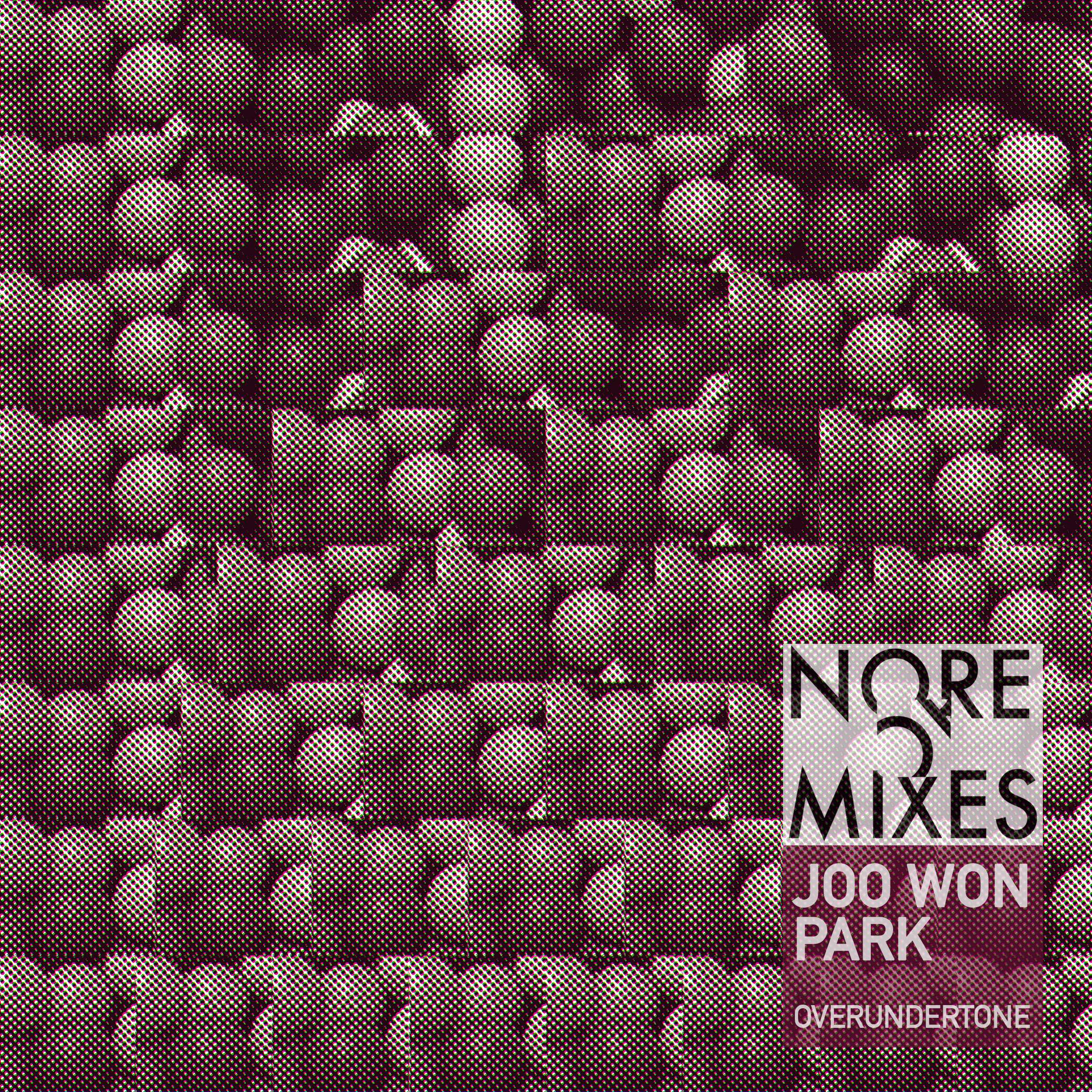
Overundertone (2015)

All compositions contain aspects of the creator’s thoughts and life at a particular time.  Overundertone, a 2015 album consisting of eight electroacoustic tracks, is a reflection of me a decade ago.  Listening to the album feels like reading an old diary.  The me in 2015 is unfamiliar to the me in 2025 – he is passionate and curious about the world and people. He had the thoughts and emotions I wish to have now. Below are what I learn about myself when I listened to the tracks.

  • Eyelid Spasm: I liked high frequencies, so I made a piece using them. I played with my (then) 5-year-old and 1-year-old sons, all the time, so the playfulness is in the piece. I even used a picture of me mimicking an animal (I think, I hope) for the kids as a cover photo. I don’t think I can hear many frequencies featured in this piece anymore.
  • Cross Rhythms: I wrote it as a class project example. I asked Oberlin’s TIMARA students to pick a page in Tom Johnson’s Imaginary Music and make an electroacoustic piece about it.  I chose Cross Rhythms and composed a scene where two different rhythms overlap. The teacher-composer identity is in the piece. 
  • Three Corn Punch: It’s a recording of a live performance. It is probably my last piece that does not involve electronic sound. It uses a Disklavier, though.  There are no new techniques here. I learned to accept that I don’t have to develop a new concept for every composition. A good idea from others and myself needs repetition, reinterpretation, and refinement.
  • Cornfields and Cicadas: This is one of the soundscape works using original field recordings and synthesized sounds. I have been creating a series using this instrumentation since my graduate student years. I remember writing it with less struggle and stress, but the quality was about the same. It is a sonic diary of a vacation to a farm in Pennsylvania, where I went with my family and friends. 
  • Beft: I wrote it because I was a dad reading Dr. Seuss to the kids. Beft is a creature in Things You Can Think that only moves to the left. It contains sounds and techniques I loved then – Shepard tone, 8-channel spatialization, overtones, etc. It was also a part of a class project example, like Cross Rhythms. My teacher-composer-dad is all represented in Beft. 
  • Snake and Ox: It is a recording of an improvisation using instruments I used in solo shows. They are a no-input mixer, SuperCollider, and a custom synth. The no-input mixer sound was the most exciting thing to me. I remember dancing along with the no-input mixer noises while practicing. 
  • 10M to Fairmount: It is a sonic diary of a park in Philadelphia, where I lived for six years. Philly feels like a hometown since I started my family there. I must have been interested in visuals in addition to field recordings and synthesizers then. The piece has a video version. Like Cornfields and Cicadas, it is a diary-like piece.  
  • Sky Blue Waves: It’s a piece from 100 Strange Sounds, a project I thought would be my magnum opus. The track has a simple instrumentation (celesta and a field recording of a beach), but has the not-so-happy aspects of my life at that time. As a contrast to Eyelid Spasm, it worked well as a closing piece of the album.

These songs are forgotten, but are still significant to me. Overundertone is an archive of emotions, efforts, and life in audio, the format I love the most. The album reminds me to strive (용써라) like 2015. The jaded, slumped me of 2025 needs that. 

jwp in 2015

JNNJ (2016) – for percussion duo and computer

Program Notes

JNNJ was commissioned and premiered by Hunter Brown and Louis Pino in 2016. The piece is inspired by the life and dynamics of my family. The title is a combination of the first letters of mom, dad, and two sons. 

Technical Needs

  • One computer with a DAW or Max. A Logic Pro X session is provided, but any DAW will work. The tape part can also be played with the provided Max patch. 
  • Stereo sound system 
  • Two headphones for click tracks 
  • An audio Interface with four separate outputs 
  • TapeL.aif should be routed to output 1, connected to the left speaker 
  • TapeR.aif should be routed to output 2, connected to the right speaker 
  • ClickTrackL.aif should be routed to output 3, connected to Perc1’s click track 
  • ClickTrackR.aif should be routed to output 4, connected to Perc2’s click track 

Performance Needs

  • Two percussionists with a snare drum and a large cymbal for each performer. 
  • Both performers use brushes for the entire piece. 
  • Perc1 stands close to the left speaker, and Perc2 stands close to the right speaker

Performance Instruction

  • Each performer gets his/her own click track. The click tracks run in various tempi and over the entire piece. Each performer should follow his/her own click track. 
  • Interpret the score like a jazz chart. Improvise in the notated style (funk and swing). 
  • Pay attention to the pitch of the click track to hear the section changes. 
  • Section-specific notes: 
    • S1: The tape part will fade in at around the 20-second mark.
    • S2: Perc1 transforms the rhythmic pattern to a swing (indicated as “target rhythm”) while slowing down. 
    • S3: Perc2 transforms the rhythmic pattern to a more energetic and busy funk rhythm while slowing down. Listen for the white noise cue for the next section. 
    • S4: Both Perc1 and Perc2 trade off solo while speeding up. The trade offs will gradually overlap with each other. Listen for the white noise cues to play uneven brush sweep on cymbals. 
    • S5: Both parts will get significantly faster. When the tempo becomes too fast, freely improvise with great energy. Increase the use of cymbals throughout the section. 
    • S6: Both Perc1 and Perc2 play energetic cymbal improvisation while slowing down. Accompany the tape part after the click track stops. At the end of the fixed part (7:00), create a quiet, windy sound by swinging the brush in the air.

Composing Click Track

A computer is excellent at doing precise tasks. It is a good tool for creating music that needs precise control. I can ask a computer to make a click track from 120BPM to 150BPM in 2 minutes, and it will do so without a hitch. In JNNJ, I used the precision of a computer to create a percussion duet featuring continuously changing tempo.

JNNJ requires each percussionist to follow their assigned click track. The tempi of the click tracks change constantly, asynchronously with each other. The performers are asked to follow the click track while improvising according to the score. To realize this idea, I made a click track with distinct features.

  • The click track gradually but precisely changes at a given duration. The performers listening to the click track should feel comfortable adjusting the tempo while reading the score.
  • To aurally cue the section changes, the pitch of the click changes in the click track. The notes are in harmony with the fixed media part.
  • The click tracks play unpitched count-in beats for the parts where a sudden or fast change is needed. 
  • The performers also read the click tracks in their score. The unstemmed quarter notes in the computer part indicate the pitch of the click tracks. Most of the fixed media part is described in words in the score.

The click tracks and fixed media parts are coded and rendered in SuperCollider. The audience does not get to hear it, but I think the most distinguishing feature of JNNJ is the click track. The fixed media part is simple in terms of timbre, so that the audience can focus on the duel of percussionists marching in different beats.

Refinement

The palindromic approach to tempo change (one part goes from X BPM to Y BPM while others go from Y BPM to X BPM at the same time) was previously explored in a fixed media piece called Cross Rhythms. Prior to that piece, I also explored palindromic timbre in a few other fixed media pieces. The third movement of Sound Mobile sounds exactly the same when played forward and backward.  Multiple and varied attempts at expressing an idea through sound are necessary for refining and redefining.

Refinement in Electronic Music

I create a composition by synthesizing existing external or internal ideas. External ideas are experiences and practices from sources other than the creator, while internal ideas are those from the creator’s previous work. When a person practices and repeats synthesizing external and internal ideas, a new idea, a new sound, and an artistic style are developed. This repetition of synthesis within and among the creative works is also a process of refinement – keep and improve the good ones, and shelve the bad ones.

In this blog, I will share my synthesis and refinement process by showing how six pieces from 2013 to 2024 are connected. A diagram is more effective than prose for this. Below is an interactive flowchart that connects my creative works and their external and internal ideas.  Click the link next to each box to listen to the corresponding piece. Zoom in and out using the mouse scroll.

To open the chart in a new tab, click HERE.

In the linked diagram, the blue boxes represent external ideas. They are music, technologies, and life events that inspired me to create.  I did an opening act for Toshimaru Nakamura in the early 2010s, and I was awestruck by Nakamura’s no-input mixing board performance. I wanted to know more about it, so I wrote Large Intestine (2013) for the no-input mixer and SuperCollider. Jeff Mills’ TR-909 performance in Exhibitionist is one of the best electronic music performances, so I wanted to make my version of a drum machine solo piece after it. The result was Cobalt Vase (2019).

Yellow boxes and red boxes represent two types of compositions. Improvisational pieces, the yellow boxes, are written for me to perform on stage. There are no written instructions, and every performance should sound similar but different. Repeated performances of an improvised work reveal forms and patterns that I can write and share with others. They become internal ideas for the notated compositions written for performers other than me.  

The notated works are labeled as red boxes in the chart. Cobalt Vase for drum machine solo is the foundation for Seven Bird Watchers (2019), a piece written for three or more drum machines. The performers still improvise in Seven Bird Watchers, but they do so within the limits and ranges instructed in the score. Another electronic ensemble composition in the chart is Four Hit Combo (2024). It was composed through a similar process as Seven Bird Watchers – many performances of Page Turner’s Agony (2019) revealed what is important in that piece, and I notated that for an electronic ensemble. 

The blocks representing Page Turner’s Agony have different shades of yellow. I used gradient color to distinguish the premiere version and the refined post-premiere version.  A new idea can result in a presentable work, but I prefer refining the premiered work a few times so that they are ready for repeat performance. In 2021, my son showed me a video about a sound effect in a game. I wanted to show my son that a cool dad like me can make the sound effect he was fascinated by. The result was a version 1 of Page Turner’s agony. The first version was good enough to be premiered and published. I had a few gigs to present the work, but I realized that the performing ergonomics was not good. My eyes and fingers had to be on the computer screen. With a few adjustments, I made a version 2  that I could perform with my eyes closed. 

All creative process uses experiences, training, and practices gained from the creator’s previous work. But it is important to be conscious of it. Creating a completely new work without connection to the past is difficult, if not impossible.  I liked the sounds I made in Cobalt Vase and Large Intestine, so I combined the two in Func Step Mode (2021). Func Step Mode is the featured piece that showcases my current performance style. I often use the piece as the finale of a 20-30 minute solo set. The build-up to the finale often incorporates a version of Cobalt Vase and Large Intestine. Since 2020, I have incorporated Page Turner’s Agony as an opening piece. In other words, my solo concert is going through the process of synthesis and refinement. 

The chart and the explanation show that my creative works are connected. It sounds obvious, but it is important to be conscious of it. I had to analyze my past work to find the evidence and convince myself. Going through the cycle of creation, evaluation, and refinement is all I do as a musician. I loop those three steps in composing, performing, and presenting.  

Extra: the box in the bottom, currently named Computer Music Practice, is a large-scale work in progress. Take a peek!